Tapping into our Students’ Curiosity
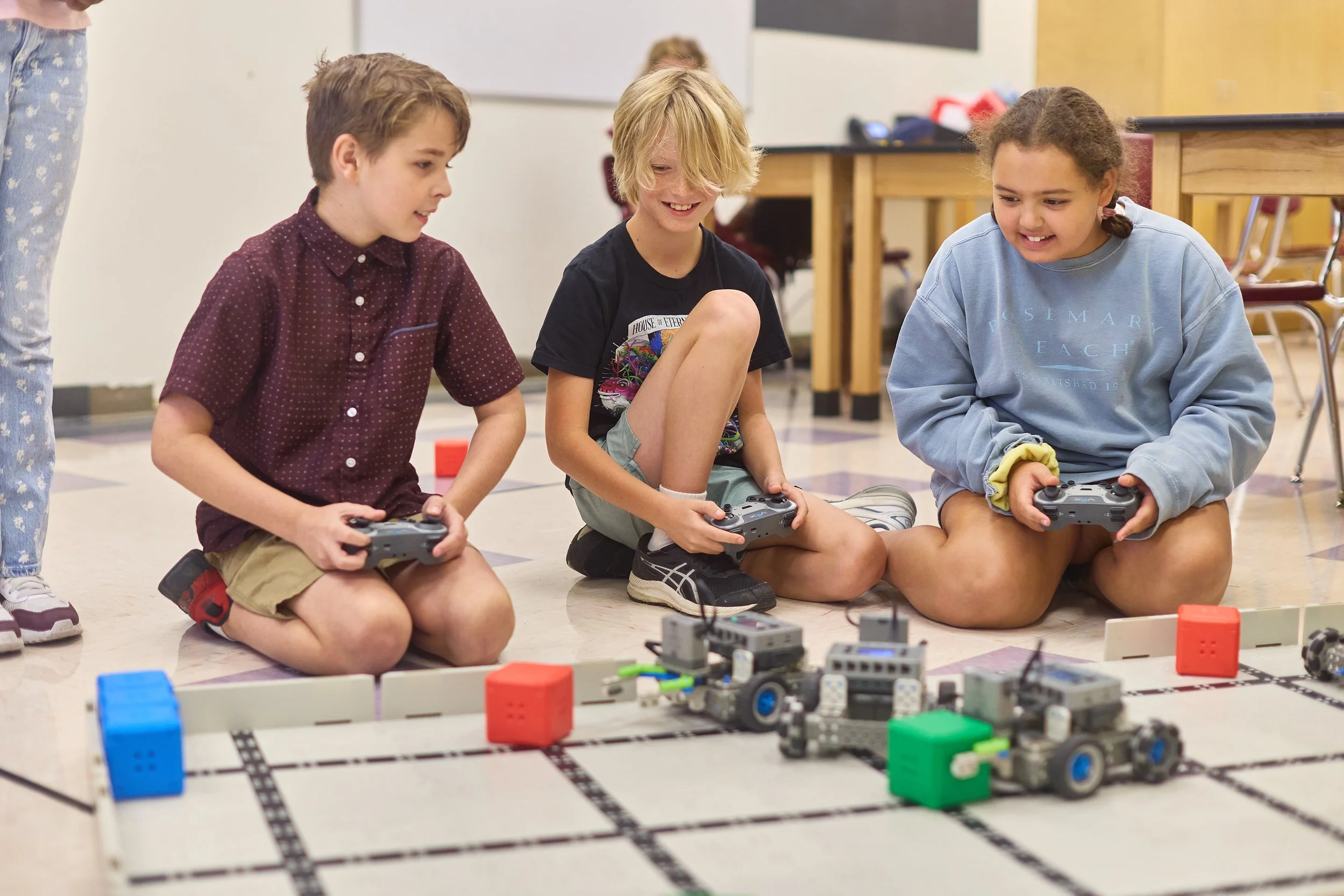
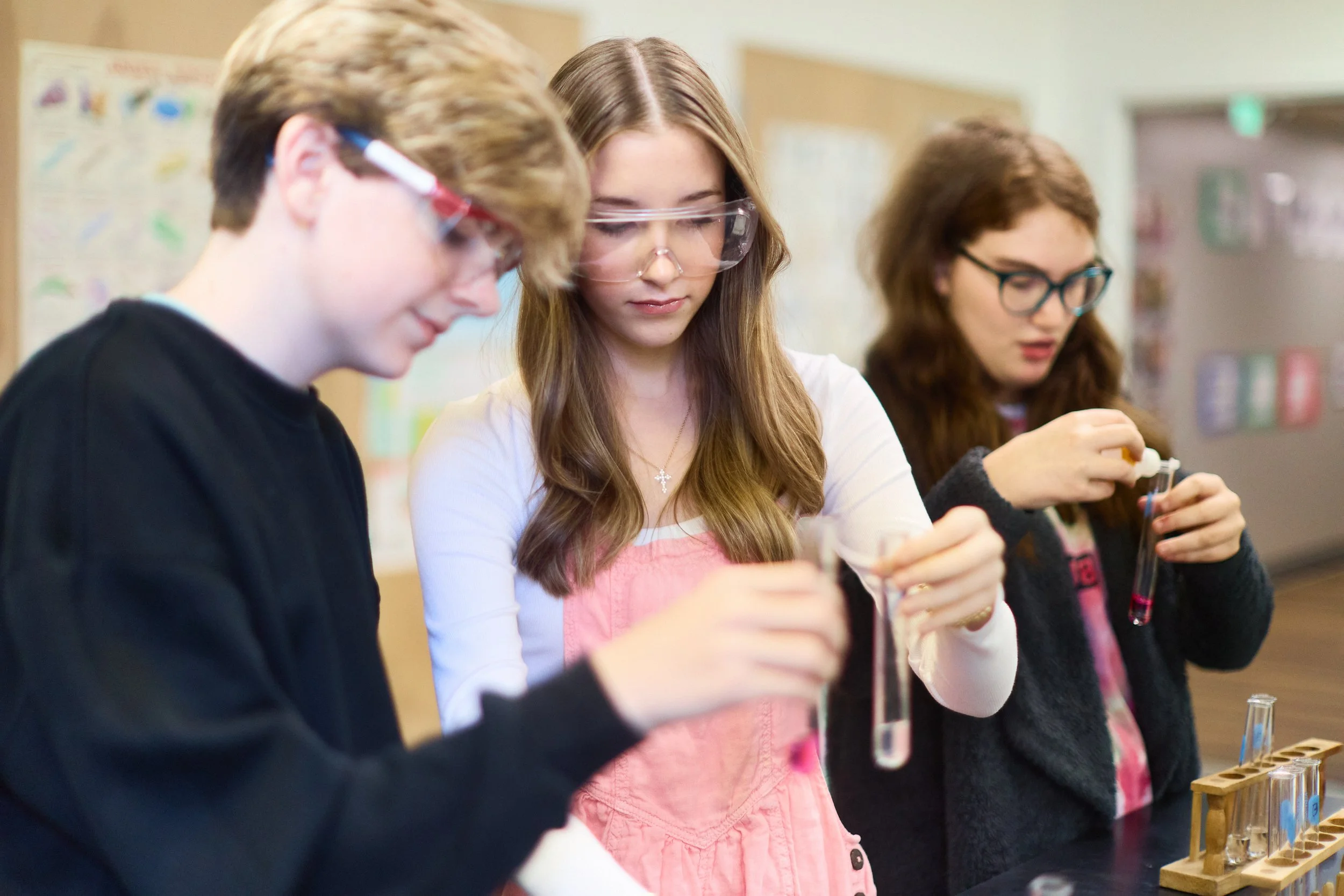
At Advent, science is more than just a subject; it is an adventure that spans from the early years of curiosity to the critical thinking of middle school. Our Pre-K – 8 science program is designed to engage students in the process of scientific discovery through hands-on exploration, experimentation, and collaboration. Here, we highlight four key areas of our program that showcase the journey of discovery.
Early Childhood Exploration at McWane Science Center
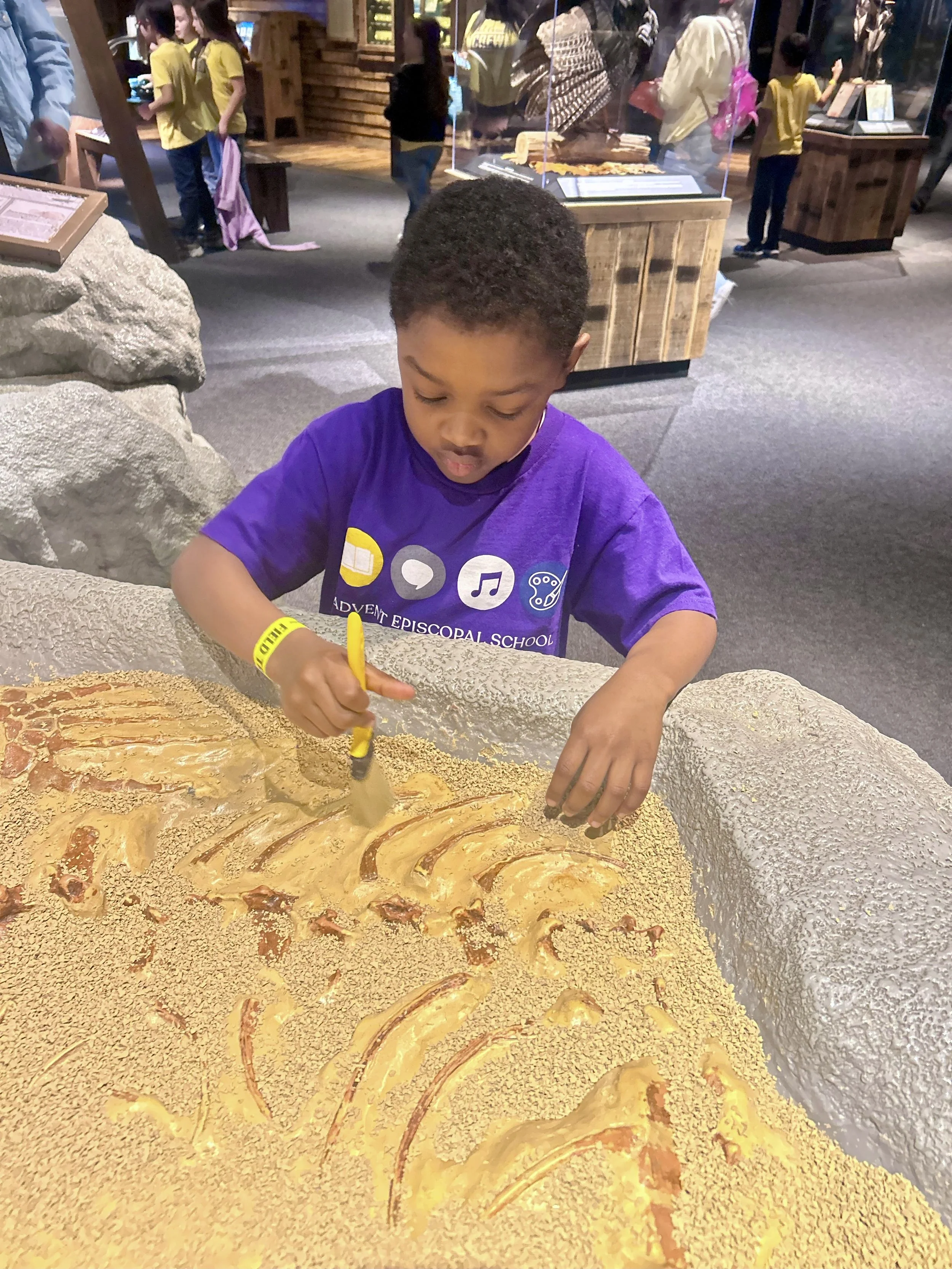
For our youngest students, the excitement of science begins with the regular exploration of sensory boards in our classrooms and extends out into the community with fields trips, including a visit to the McWane Science Center. Students engage their natural curiosity in a dynamic, hands-on environment. From interactive exhibits on physics and biology to hands-on experiments with water and air pressure, children are encouraged to ask questions and explore the world around them. This early exposure to scientific concepts sets the foundation for a lifelong love of discovery and inquiry.
5th Grade Egg Drop Experiment: The Design Process
In fifth grade, students embark on an exciting engineering challenge—the egg drop experiment. Working in pairs, students must navigate the complexities of collaboration as they design a protective contraption for an egg. Given a budget, they "shop" for materials and sketch their design before putting their plans into action. After testing their contraptions at two different heights, students evaluate their success. They love the active involvement in the design process, and while many find teamwork challenging, they also learn valuable lessons about problem-solving and compromise.
6th Grade Earth Science: Bringing Concepts to Life
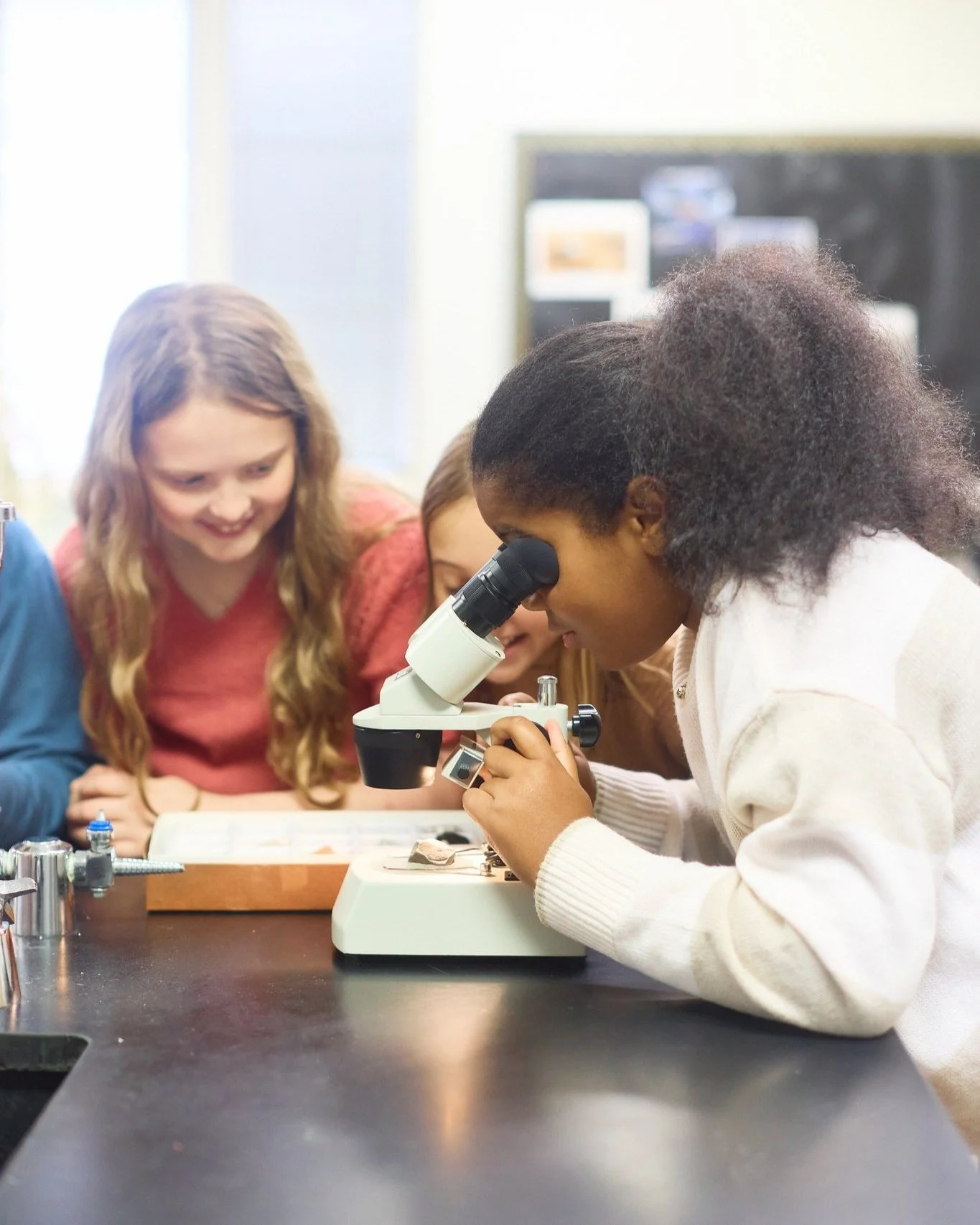
Sixth-grade earth science is filled with hands-on labs that make abstract concepts tangible. Students examine bacteria under microscopes, test pH levels in water, and even create sedimentary rocks using different types of chocolate. These engaging activities allow students to visualize complex ideas and deepen their understanding of scientific principles. Many students express that these labs make learning more enjoyable and accessible, helping them connect theoretical knowledge to real-world experiences.
7th Grade Life Science: Dissections & Exploration
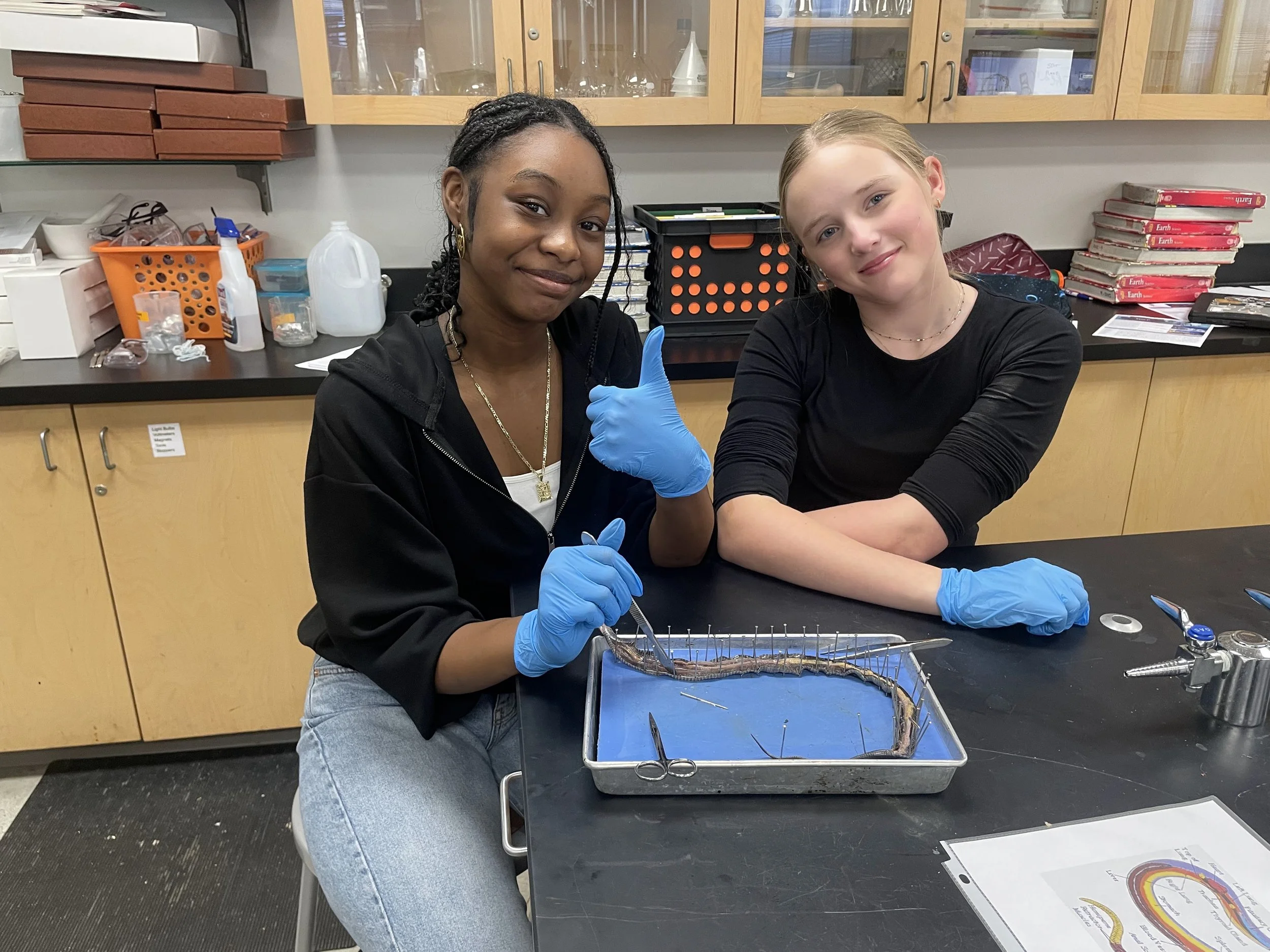
By seventh grade, students delve into life science through a series of memorable dissections. From owl pellets to squids to rats, they get an up-close look at the internal structures of various organisms. This hands-on experience fosters a deeper understanding of anatomy and biological systems. While some students initially find the dissections “gross,” most are captivated by the opportunity to explore and investigate. The freedom to carefully examine and discover the inner workings of different species leaves a lasting impression and enhances their appreciation for the complexity of life.
Through each stage of our Pre-K – 8 science program, students are encouraged to ask questions, think critically, and engage with scientific concepts in meaningful ways. Whether through early exploration, engineering challenges, lab experiments, or dissections, our students develop a strong foundation in scientific inquiry that will serve them well in the years to come.